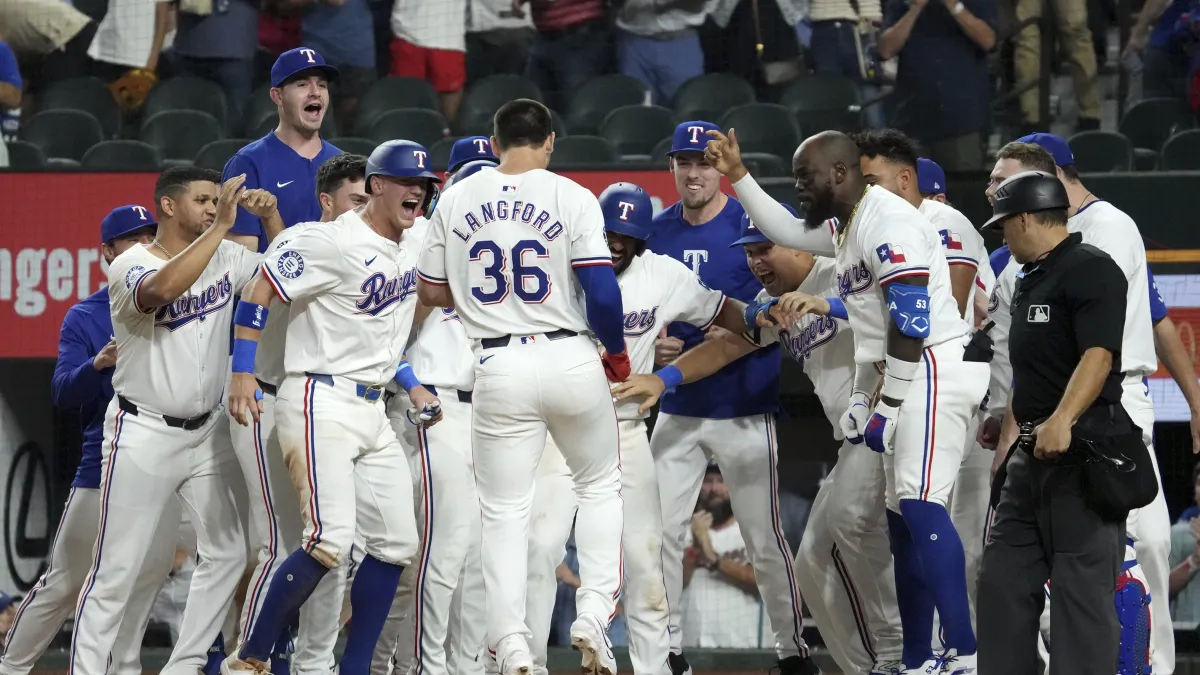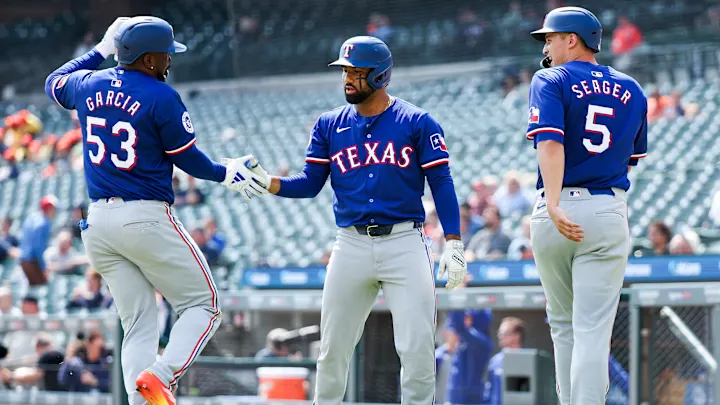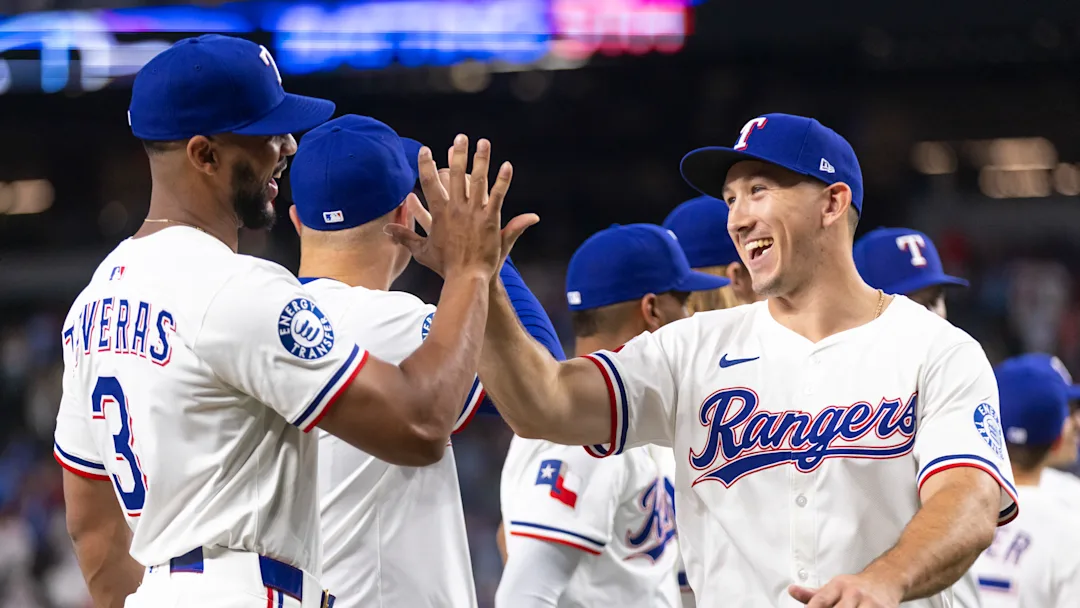
The Texas Rangers have officially shifted into a retooling phase, moving on from the Bruce Bochy era while committing to a future led by younger talent. Despite the transition, the organization made it clear it still expects to compete in 2026, prompting a calculated and cost-conscious approach to roster building.
After parting ways with several core pieces from the 2023 World Series team, President of Baseball Operations Chris Young was tasked with reshaping the roster under tighter financial limits. With ownership pushing payroll toward the $200 million mark or below, the Rangers moved away from pursuing high-profile stars and instead embraced a Moneyball-style strategy focused on affordable, high-value production.
Young leaned into analytics-driven decision-making, prioritizing plate discipline, efficiency, and versatility over name recognition. Rather than chasing elite sluggers, the Rangers targeted undervalued players capable of contributing across the roster while maintaining financial flexibility.
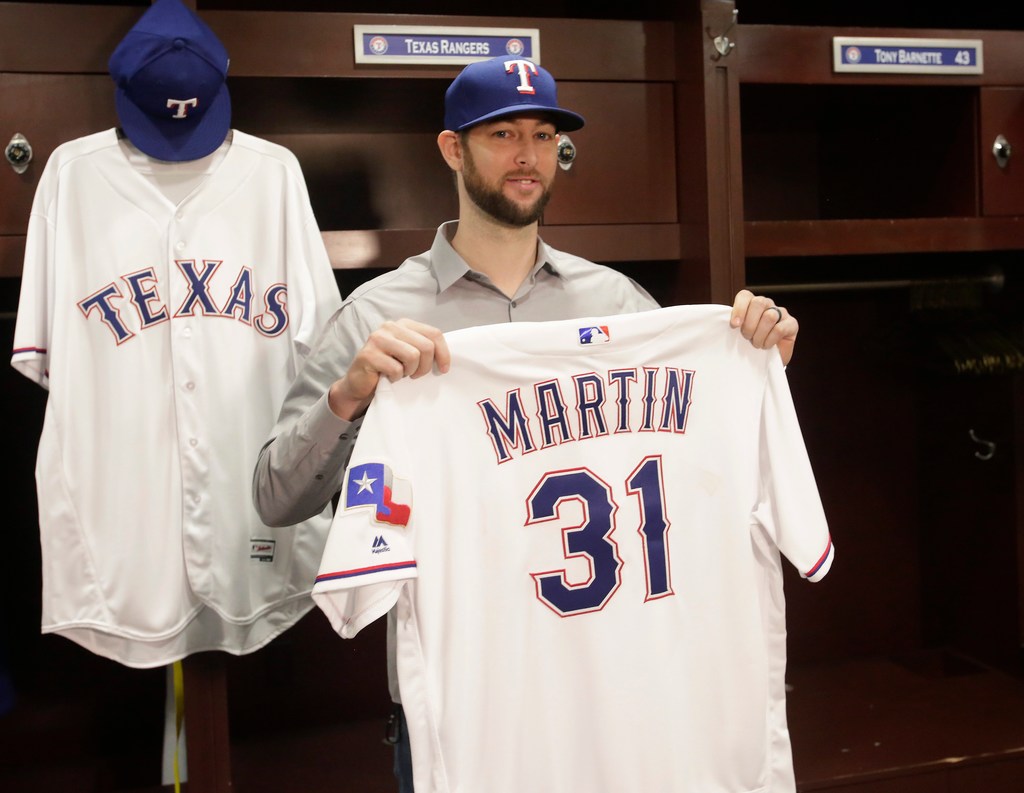
That strategy quickly took shape during the offseason. Texas added catcher Danny Jansen, whose strong on-base skills and power upside fit the club’s evolving offensive philosophy under manager Skip Schumaker. The bullpen was also reinforced with low-cost additions, including Tyler Alexander, Alexis Díaz, and the return of veteran reliever Chris Martin, giving the Rangers depth without stretching the budget.
Internally, the organization placed confidence in rebound seasons from Josh Jung, Jake Burger, and Joc Pederson, expecting them to support cornerstone players Corey Seager and Wyatt Langford as the lineup took shape. Instead of replacing production with expensive free agents, Texas chose to rely on internal growth paired with selective, value-driven signings.
As the offseason progressed, the Rangers passed on top-tier free agents and focused on cost-efficient solutions for remaining needs in the bullpen, rotation, and right-handed hitting depth. Potential reunions and short-term deals became the preferred route, reinforcing the club’s commitment to flexibility and efficiency.
While the reduced payroll approach drew mixed reactions, the Rangers demonstrated that a competitive roster could still be assembled without blockbuster spending. By fully committing to a Moneyball-inspired model, Texas positioned itself to remain in the playoff conversation—proving that smart spending, not just big spending, defined its new direction.