The Chicago Cubs entered the offseason with a clear goal of avoiding the pitching collapse that plagued their 2025 campaign, particularly as injuries exposed weaknesses in their late-season and postseason rotation depth.
To address that issue, Chicago’s front office worked aggressively to retain key contributors, add new pitching talent, and also reintegrate players returning from injury, all of which helped create what appears to be a much deeper overall pitching unit heading into the new season.
While the improvement is a positive development for the organization, it also created an unintended consequence — a roster crunch where not every pitcher will have a guaranteed spot in the starting rotation or even on the active roster.
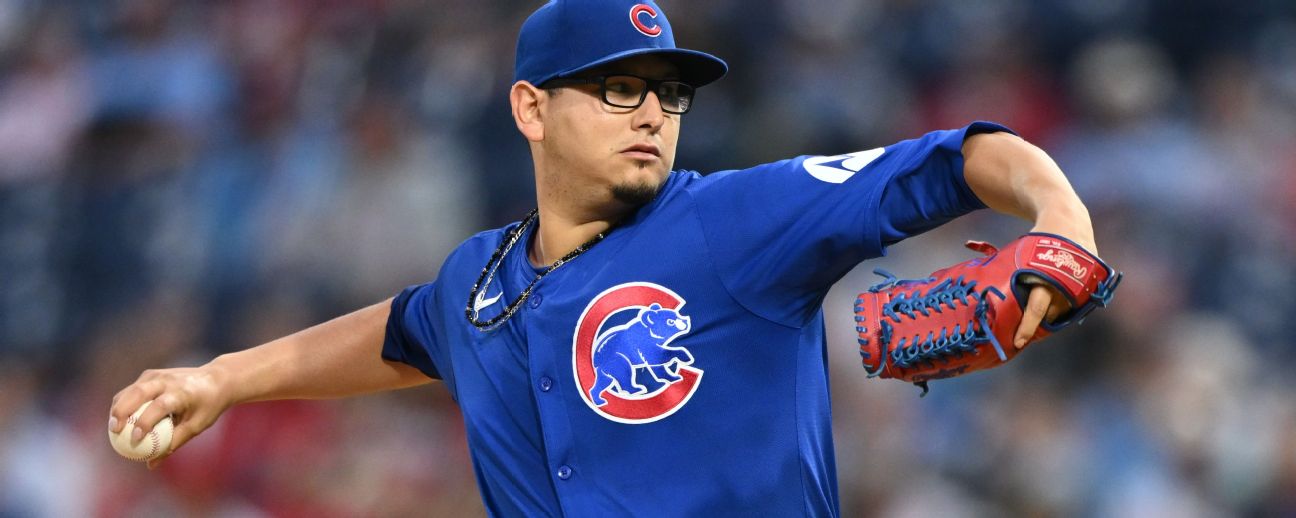
One name that has increasingly surfaced in trade speculation is Javier Assad, a right-handed starter who once looked like a rising long-term piece for the Cubs.

According to multiple reports and league analysis, teams searching for controllable starting pitching depth could show interest in Assad, especially clubs that need reliable arms but may not want to commit to expensive free-agent contracts.
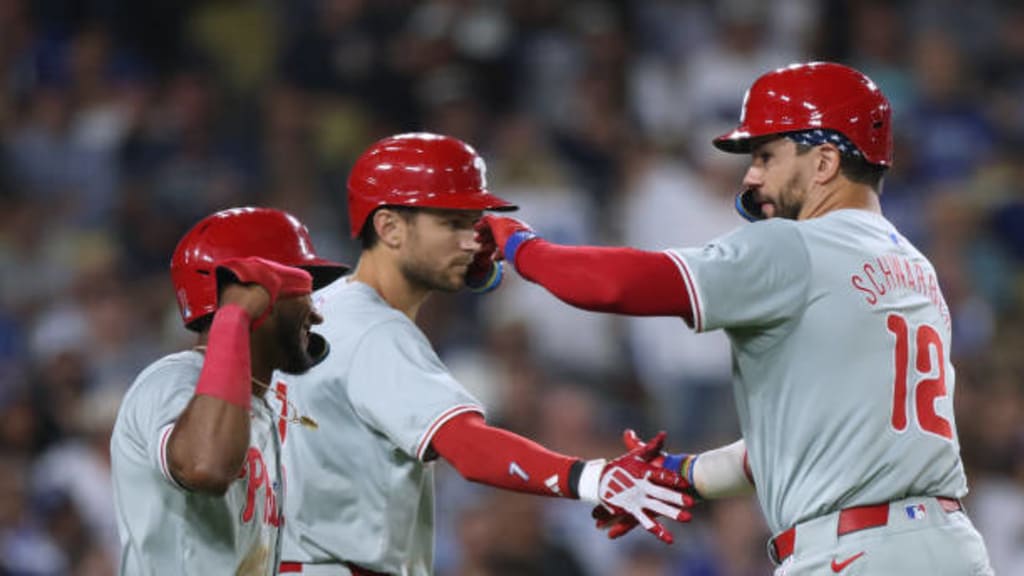
Among the organizations mentioned as a possible fit is the Philadelphia Phillies, who are still evaluating ways to reinforce their rotation core while remaining competitive in a tough National League landscape.
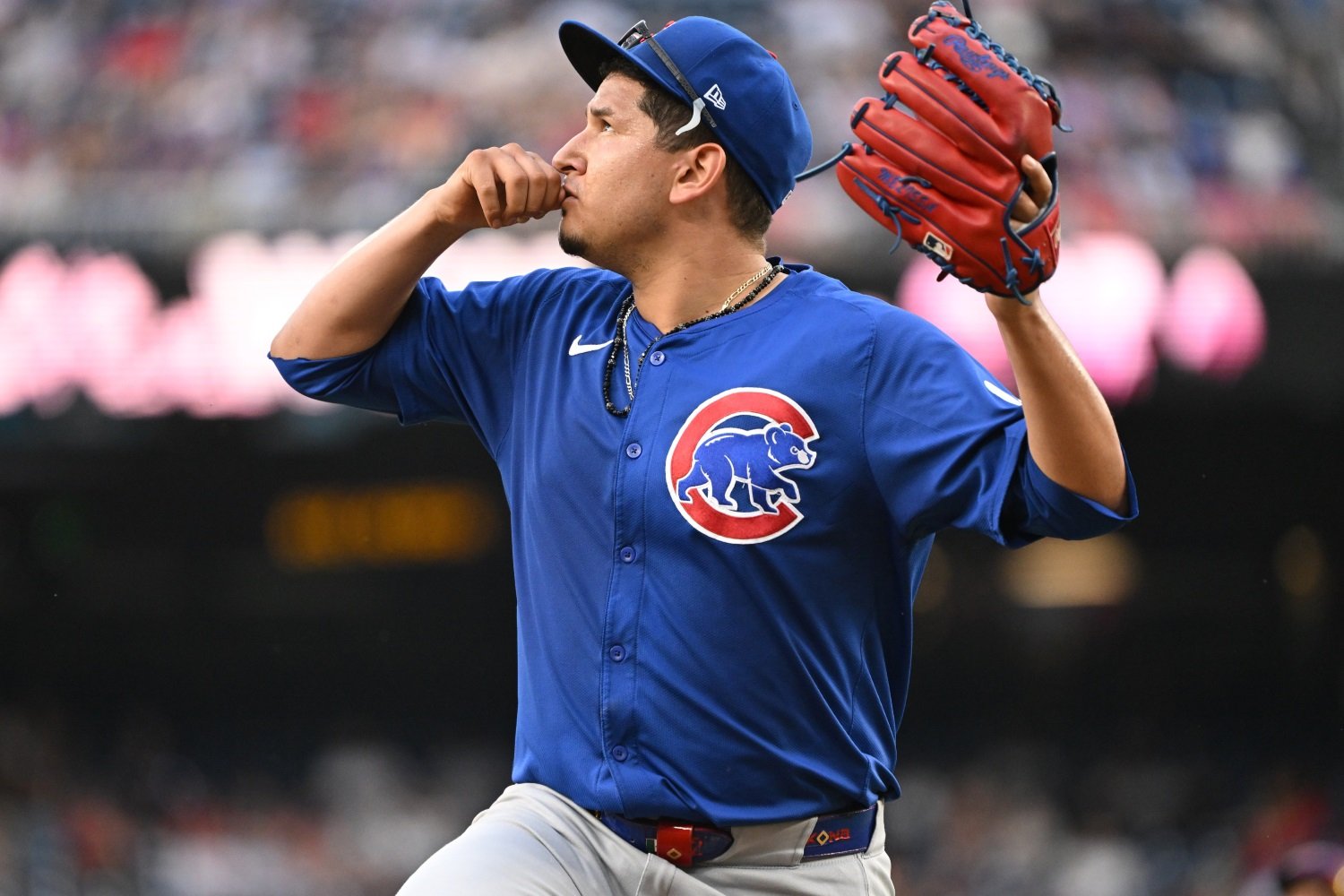
Assad’s value largely stems from his earlier performance when he was given extended starting opportunities. During the 2024 season, he recorded a respectable 3.73 ERA across 147 innings pitched while posting a 7-6 win-loss record, showing flashes of becoming a dependable middle-of-the-rotation starter.
His command also improved significantly that year, highlighted by a career-best low walk rate, which made him more attractive to teams prioritizing control and consistency over high-velocity strikeout dominance.
Scouts believed he had the potential to develop into a stable back-end starter capable of eating innings and keeping games competitive.
Unfortunately, Assad’s momentum was slowed when injury issues surfaced during the following season. An oblique injury limited his availability in 2025 and prevented him from building on the promise he showed the year before.
When he did take the mound, however, he still managed to post solid numbers, including a 3.65 ERA and a 1.216 WHIP, suggesting that his effectiveness remained intact when health was not a concern.
The injury history, however, is one factor that could influence how aggressively teams pursue him in trade negotiations.
From a roster-construction perspective, Chicago’s rotation depth currently includes multiple starters competing for limited spots, which makes Assad somewhat expendable if the team decides to convert surplus pitching into prospect capital.
With players such as emerging young arms and veteran signings already positioned ahead of him on the depth chart, the Cubs may prefer to move him rather than risk losing value by keeping him in a reduced bullpen or minor-league role.
If the Cubs decide to trade Assad, the most realistic return would likely be a package of mid-tier prospects rather than a marquee young star, especially given the combination of injury risk and limited long-term contract control.
Spring training developments could play a major role in determining his future, and teams in need of starting pitching — including the Philadelphia Phillies — may continue monitoring the situation closely as the season approaches.