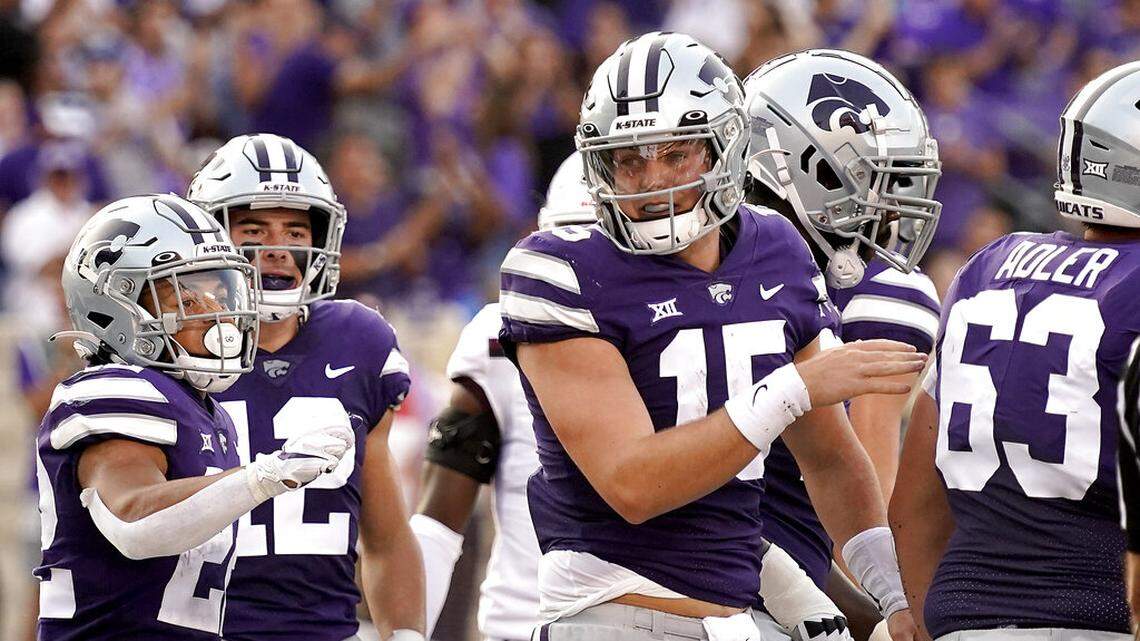
The return of Joe Bob Clements to the Kansas State Wildcats football program marks an interesting late-offseason coaching addition, as he joins the staff in the unique role of assistant to the head coach while also serving as a forward scout for the offense.
Although he is not taking over a position coaching assignment, his presence adds valuable experience and strategic depth to the Wildcats’ coaching structure heading into the new cycle.

Clements is widely respected within the Kansas State football community, having previously built a strong legacy in Manhattan. During his playing career, he was a four-year letterman who competed in multiple major bowl games, including the Aloha, Holiday, Cotton, and Fiesta Bowls.
Later, he became the defensive ends coach under legendary program leader Bill Snyder and was part of two Big 12 championship teams, helping shape some of the most successful defensive units in school history.
His work with players such as Meshak Williams, Adam Davis, and Jeff Fitzgerald further solidified his reputation as a developer of defensive talent.

After leaving Kansas State, Clements spent approximately twelve years with the Oklahoma State Cowboys football program, including his final two seasons serving as co-defensive coordinator.
His departure from Oklahoma State dates back to a coaching reshuffle in 2004 under head coach Mike Gundy, a move that generated some criticism from fans who believed the team’s broader performance issues were not solely tied to his role.
His return to Kansas State is viewed as a strategic advantage for head coach Collin Klein, as it provides the program with an experienced defensive strategist who could step into a more significant coaching responsibility if needed during the season.
Clements also offers insurance depth in the coaching hierarchy, meaning that if any of Klein’s early hires struggle to produce results—or perform so well that they attract outside job offers—the program already has a seasoned veteran ready to step in.
Beyond tactical coaching contributions, Clements’ familiarity with the Wildcats’ culture and history is expected to help maintain continuity within the program.
He and Klein share a professional connection dating back to when Klein was a player on the team, which should help ease communication and implementation of defensive and offensive scouting strategies.
Overall, the move represents a blend of nostalgia, experience, and strategic roster management on the coaching side, as Kansas State aims to strengthen both its staff stability and long-term competitiveness.