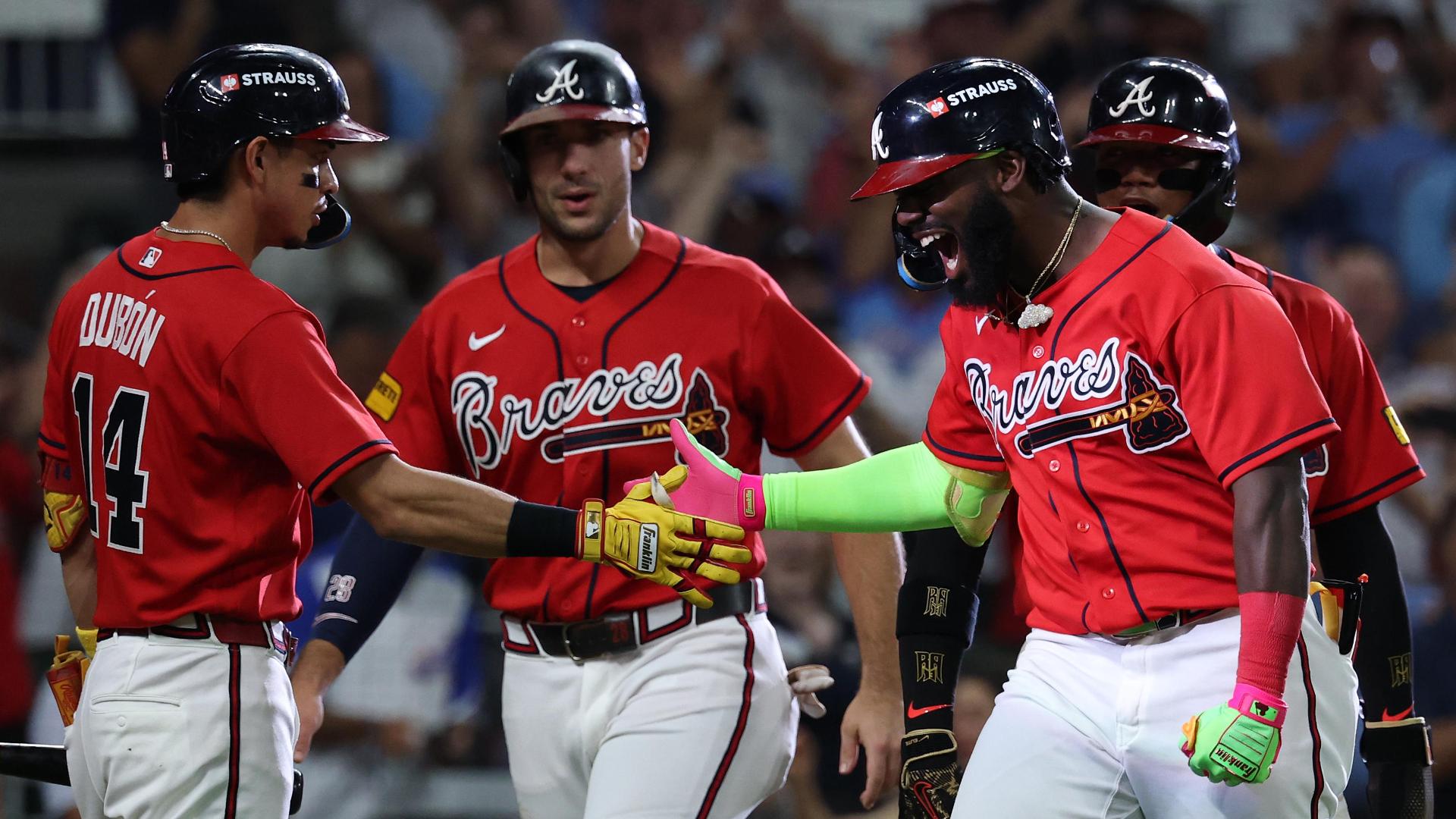
The New York Yankees could be approaching an important decision behind the plate, and a potential trade involving the Atlanta Braves has emerged as an intriguing storyline. With expectations remaining high in New York, addressing the catching position could become a significant part of the organization’s broader roster strategy. A proposed deal involving a proven Atlanta catcher would give the Yankees an opportunity to explore an established option rather than relying entirely on internal solutions. Although no completed trade has been confirmed, the possibility has generated interest because it connects two franchises with postseason ambitions and different roster considerations.
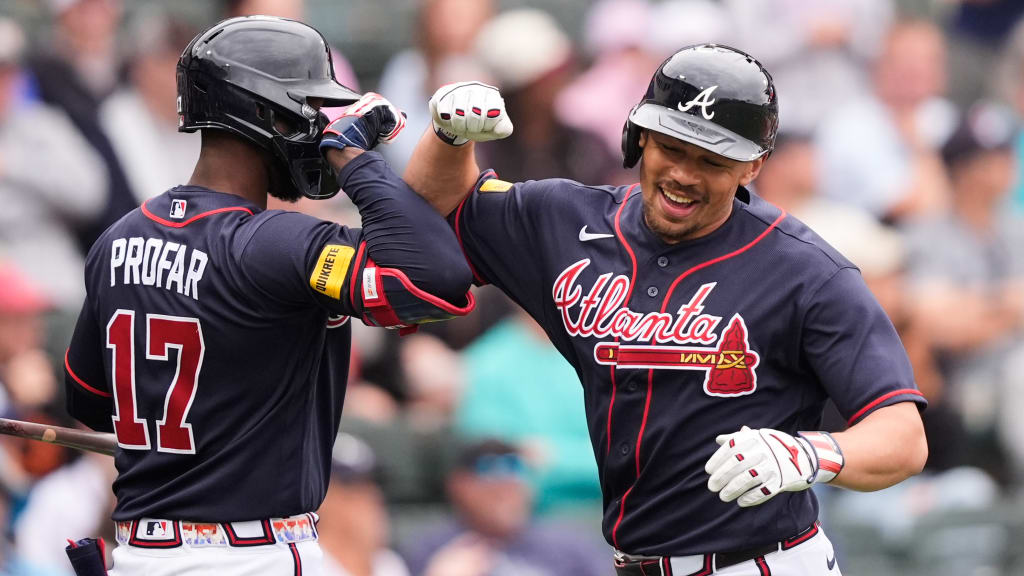
For the Yankees, the catching position carries responsibilities that extend well beyond offensive production. A reliable catcher must work closely with the pitching staff, manage opposing baserunners, block pitches in the dirt, and provide consistent communication throughout a game. Those responsibilities become even more important during a demanding season when injuries, workload management, and pitching changes can test a team’s depth. New York has traditionally placed a premium on dependable defense and experienced players who can handle pressure, particularly when the postseason approaches. If the front office determines that an upgrade is necessary, exploring the trade market could offer another path toward strengthening the roster.
Atlanta’s Sean Murphy is an especially interesting name in this discussion because of his experience and established reputation as a major-league catcher. Murphy has demonstrated the ability to contribute defensively while also providing power at the plate. His combination of experience and physical presence makes him the type of player another organization could investigate when searching for stability at a demanding position. However, any potential move would depend on Atlanta’s own plans, its assessment of the catching depth chart, and the value it places on keeping an experienced player in the organization. The Braves would have little reason to move a significant contributor without receiving an appealing return.
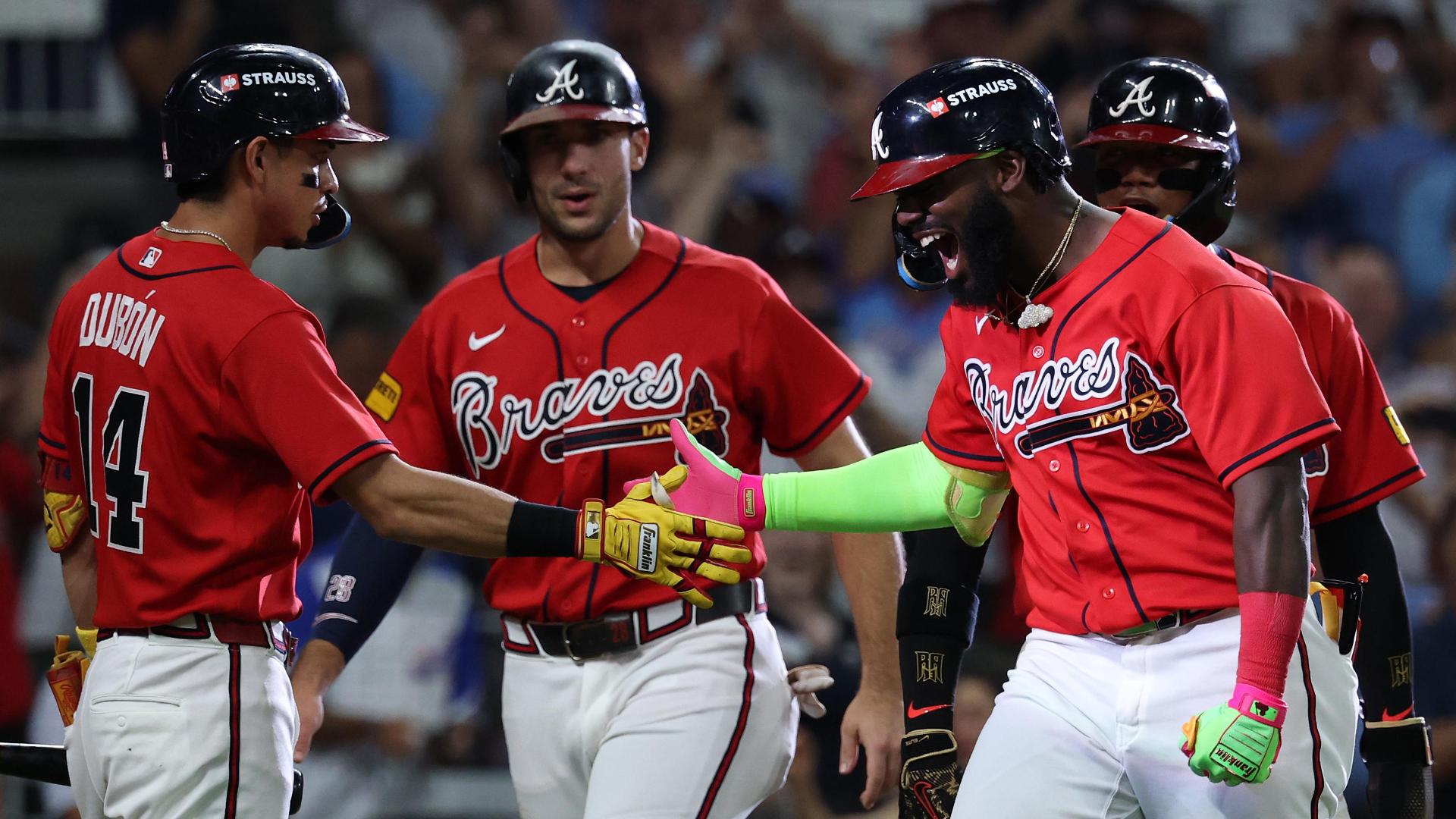
The financial aspect would also be central to any serious negotiations. A contract valued at approximately $73 million would represent a substantial commitment, although that figure should not automatically be interpreted as the confirmed price of a proposed trade or the amount New York would assume. The remaining contract obligations, the structure of the agreement, and any financial considerations would all matter when evaluating the potential deal. The Yankees would need to determine whether the player’s expected contributions justify the investment while considering how the move might affect their flexibility to address other needs. Atlanta, meanwhile, would have to weigh the financial implications of a trade against the baseball value of the players it could receive.
A deal between the two clubs would also raise questions about the prospects and major-league talent required to complete it. The Yankees would likely want to protect their most valuable young players while still presenting a package attractive enough to encourage Atlanta to negotiate. The Braves would have to consider whether a potential return could strengthen their roster immediately or provide longer-term value. Catchers with established major-league experience are not always easy to replace, meaning Atlanta could demand more than a modest collection of prospects. Without confirmed terms, it would be premature to identify specific players as part of an agreement or suggest that either front office has accepted a particular offer.
The Yankees’ broader competitive outlook makes the situation worth monitoring. In a division where every roster weakness can become costly, New York cannot afford to overlook positions that influence both offensive production and pitching performance. Improving the catching situation could provide greater consistency, help the pitching staff operate more efficiently, and give the coaching staff additional lineup options. At the same time, the organization must ensure that any major transaction addresses a genuine need rather than simply adding another recognizable name. The best trades are those that improve the roster without creating a different problem elsewhere, especially when financial resources and prospect depth must be managed carefully.
For Atlanta, the decision would be just as complicated. The Braves remain responsible for building a roster capable of competing in the National League, and moving an experienced catcher could affect their defensive structure and offensive depth. Any return would need to make sense within the club’s immediate plans as well as its longer-term priorities. A trade could become more realistic if the Braves identify a suitable replacement or determine that another area of the roster deserves greater investment, but those possibilities remain speculative until reliable reporting establishes the clubs’ intentions.
Ultimately, the Yankees-Braves trade connection presents an intriguing potential solution to New York’s catching dilemma, with Sean Murphy standing out as a player worth discussing because of his experience and skill set. Still, a proposed trade should not be confused with an official transaction, and neither the reported contract value nor the completion of a deal should be treated as established without confirmation. If negotiations ever advance, the outcome could have implications for both franchises and their postseason ambitions. Until then, the possibility remains a storyline to watch rather than a finalized move.


