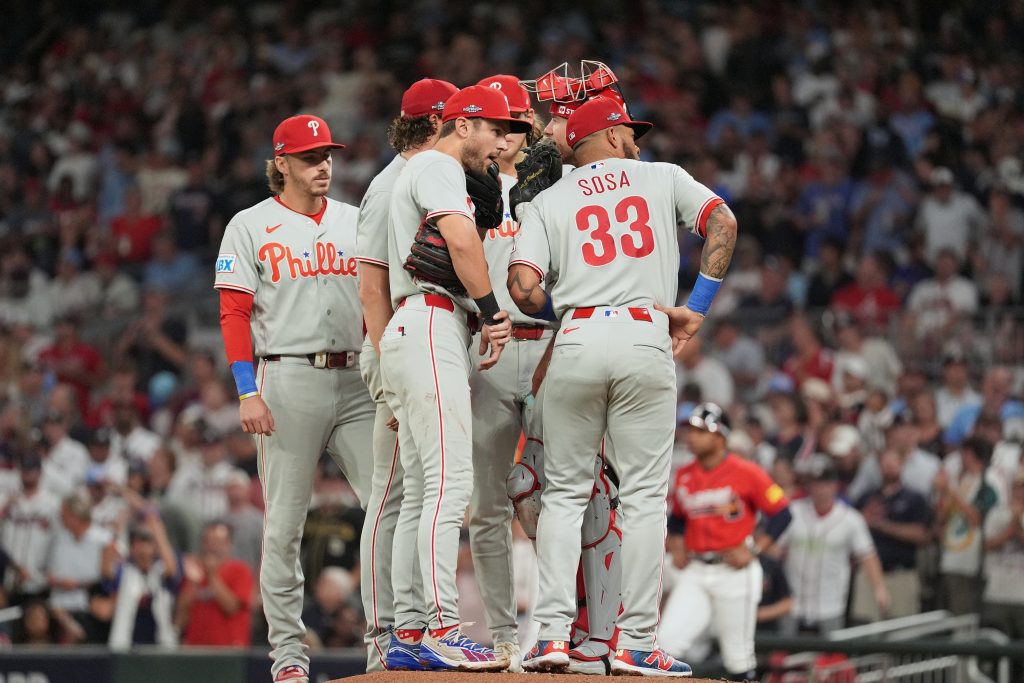
The Philadelphia Phillies could be approaching an important decision about the future of one of their veteran players as the organization begins evaluating its roster following a disappointing end to the 2026 season. After years of contributing at the major-league level, the veteran now finds himself at the center of a difficult conversation about whether Philadelphia should continue investing in his services or explore a different direction. For a team determined to remain competitive in the National League, decisions involving experienced players can carry significant consequences, particularly when recent performances raise questions about their long-term value. While the Phillies must balance respect for a player’s contributions with the demands of building a championship-caliber roster, the coming offseason could provide an opportunity to reassess several areas of the team.
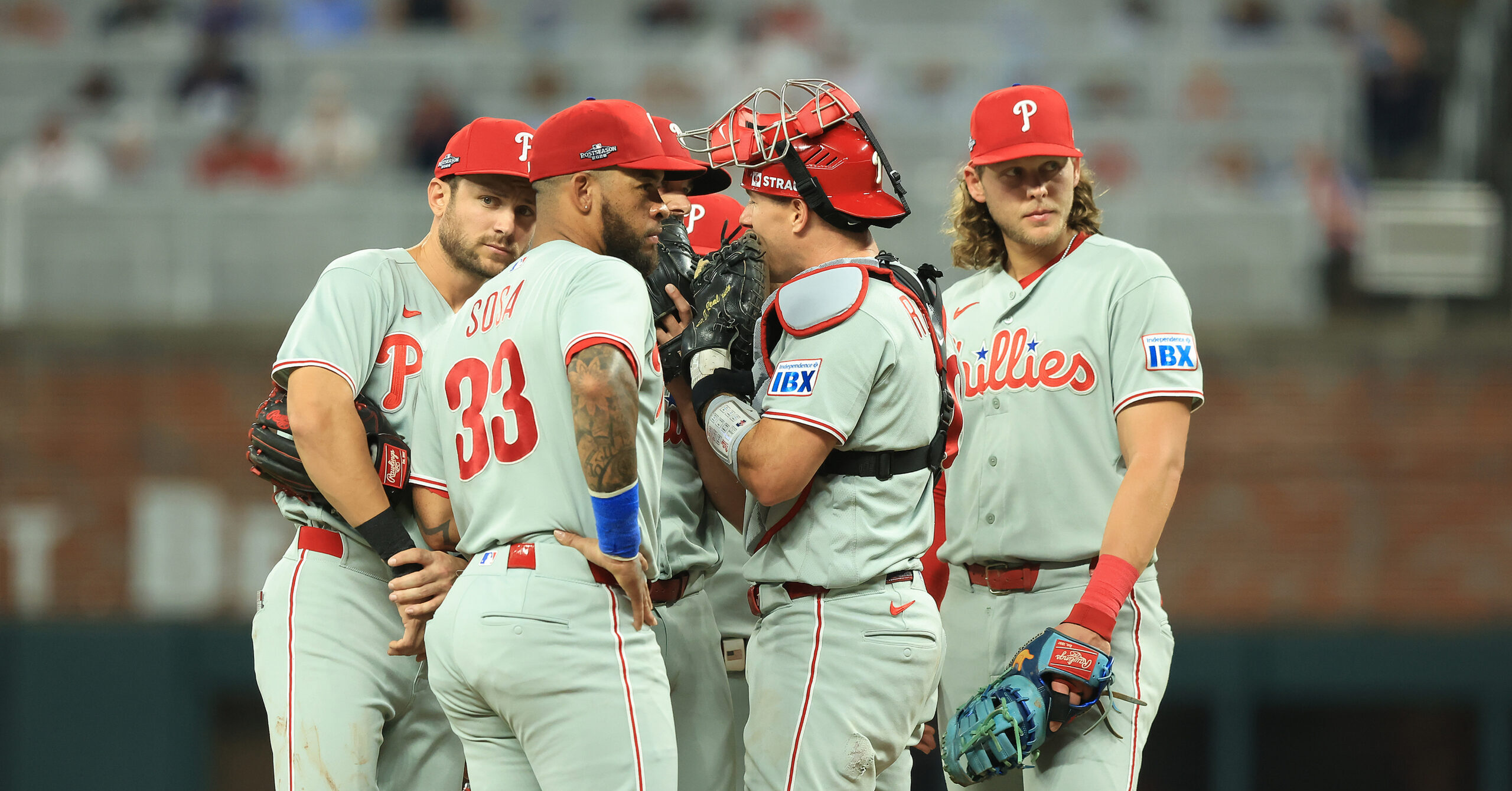
The question of whether to stay or go is rarely straightforward when it involves a veteran who has spent years establishing himself in the major leagues. Experience, familiarity with the clubhouse, and an understanding of the pressures that accompany playing in Philadelphia can all make an established player valuable beyond the numbers recorded on the field. Veteran players often provide leadership to younger teammates and help maintain stability during challenging stretches of a long season. However, those advantages do not automatically guarantee a place on a roster that must continually evolve. Front offices are expected to evaluate performance, availability, financial commitments, and future needs before deciding which players should remain part of their plans. If the Phillies believe their current roster requires a significant adjustment, even a respected veteran could become part of that discussion.
Financial considerations could also influence Philadelphia’s decision-making process. An $18 million figure represents a substantial investment for a major-league club, particularly when the front office is attempting to address multiple roster needs during the same offseason. The Phillies may have to determine whether the veteran’s expected contributions justify the cost or whether those resources would be better directed toward another position. That does not necessarily mean the organization has decided to move on, but it does illustrate why contract value can become an important part of offseason evaluations. Teams must consider not only what a player has accomplished in the past but also what he is realistically expected to deliver in the seasons ahead. A familiar name and an impressive résumé can carry considerable weight, yet the organization must ultimately decide what best serves its competitive goals.

Philadelphia’s broader roster situation adds another layer to the discussion. The franchise has invested heavily in assembling a group capable of competing for a World Series, and expectations surrounding the club remain high. When a season ends without the desired result, attention naturally shifts toward potential improvements, including changes involving established players. The front office must identify which areas require immediate attention and determine whether internal options can provide the necessary answers. Retaining the veteran could offer continuity, while moving on could create an opportunity to introduce a different player with a skill set better suited to the team’s evolving needs. Either direction would involve risks, making a thorough evaluation essential before the organization commits to a final decision.
There is also a strong argument for patience. One difficult season or an inconsistent stretch does not necessarily erase years of major-league experience, and the Phillies would need to consider the circumstances behind the veteran’s recent performance before reaching a conclusion. Injuries, changing responsibilities, opposing teams’ adjustments, and the natural challenges of an extended season can all affect a player’s production. If the organization believes the veteran can return to a more effective level, keeping him could prove more beneficial than pursuing an uncertain replacement. At the same time, Philadelphia cannot afford to rely entirely on past accomplishments when planning for the future. The challenge will be determining whether the player’s experience and potential rebound outweigh the possibility that a roster change could produce better results.
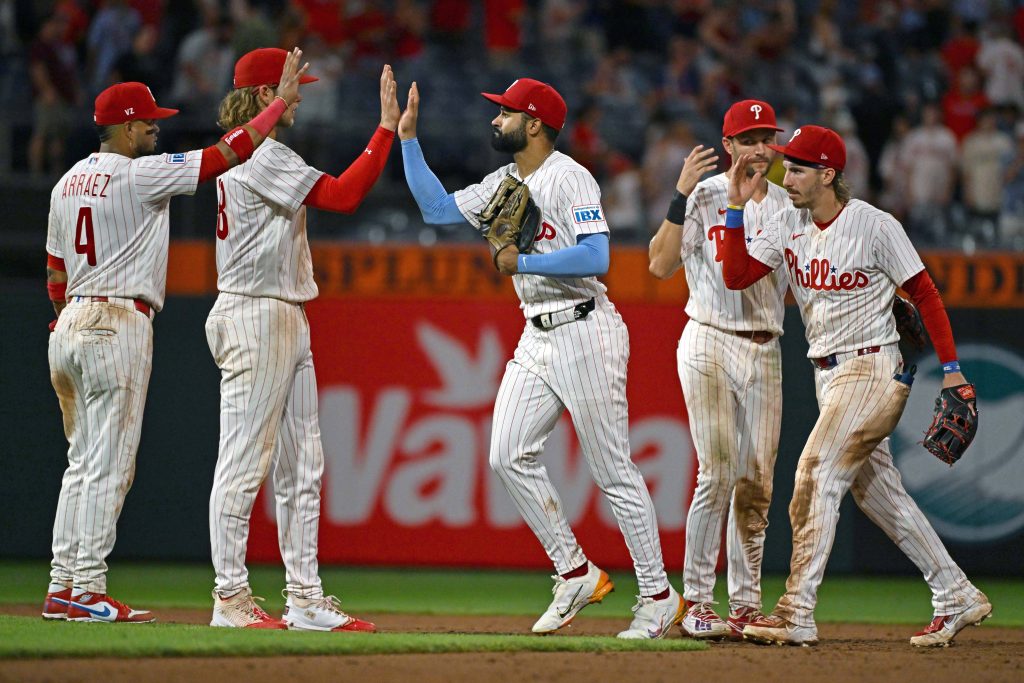
Ultimately, the Phillies face the kind of decision that can shape an offseason and influence the direction of a team preparing for another competitive campaign. Moving on from a veteran after years in the majors would represent a significant development, particularly if the player has become a recognizable part of the organization’s recent history. Retaining him, meanwhile, would signal that the club believes his contributions remain valuable enough to justify another opportunity. As the front office weighs its options, the central question will be whether the veteran still fits the team’s long-term vision and immediate championship ambitions. No final outcome should be assumed without confirmation from the organization, but the stay-or-go debate highlights the difficult choices Philadelphia must navigate as it looks to strengthen its roster. For the veteran, the next chapter could depend on how the Phillies balance loyalty, performance, financial flexibility, and the urgency to compete at the highest level.


