The Philadelphia Phillies overhauled their bullpen for a second straight offseason, determined to avoid the mistakes that followed the departures of key relievers after the 2024 season.
After losing Carlos Estévez and Jeff Hoffman and later trading Matt Strahm to the Kansas City Royals, president of baseball operations Dave Dombrowski prioritized reinforcing the relief corps.
One of the club’s biggest additions was veteran right-hander Brad Keller, who signed a two-year, $22 million contract after an outstanding 2025 campaign with the Chicago Cubs in which he posted a 2.07 ERA with 75 strikeouts across 69.2 innings.

Although Keller showed flashes of his potential early in his Phillies tenure, inconsistency and injury interrupted his progress.
Still, the veteran reliever is beginning to make encouraging strides in his recovery from right forearm tendinitis.
According to The Athletic, Keller recently advanced his rehab by throwing on flat ground while the team was in New York.
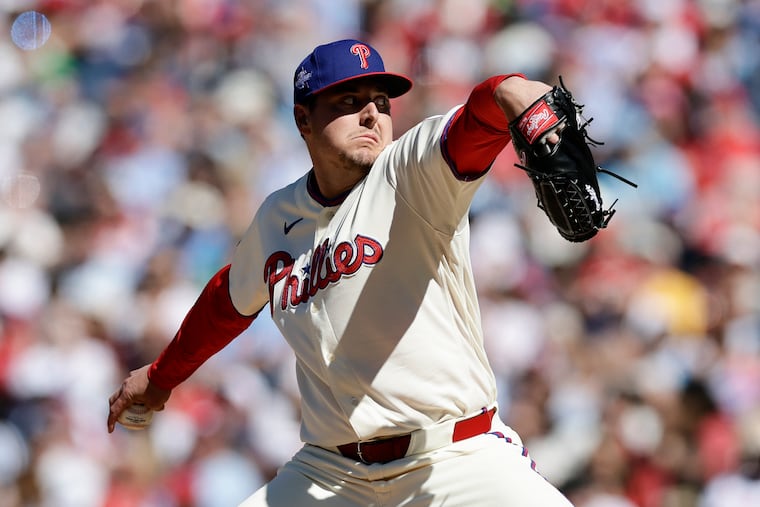
His next steps include mound work, live batting practice sessions, and eventually a minor league rehab assignment before he can rejoin the Major League roster.
While his return is not imminent, the update is a positive sign. Any progression in a throwing program is an important milestone for an injured pitcher, particularly one recovering from a forearm issue.
Keller has been sidelined since June 13, when he allowed three earned runs in an outing that ended a stretch of three consecutive scoreless appearances.

Prior to that setback, he had been showing signs of settling into a rhythm with Philadelphia and lowering his ERA after a rocky start to the season.
When Keller is ready to return, the Phillies may face some difficult roster decisions. Several relievers have stepped up in his absence, creating increased competition for bullpen spots and giving the organization valuable depth.
However, that challenge reflects a positive development for Philadelphia. After years of searching for bullpen stability, the Phillies now find themselves with multiple effective relief options, making any future roster decisions far more difficult—but also far more desirable.